

Ich hatte bereits 2014 hier beschrieben, auf was zu achten ist, wenn man ein Shift-Objektiv für Panoramafotografie einsetzt. Seither haben sich immer wieder Kunden mit speziellen Fragen dazu an mich gewandt. Denn leider gibt es seitens der Hersteller dieser Spezialobjektive keine wirklich brauchbare Information zu dem Thema, nicht einmal zum Bildwinkel.
Ich will hier anhand der Daten des 19mm PC-E Nikkors im Detail aufzeigen, wie man den maximalen Bildwinkel berechnet, der durch Shiften der Linse zu generieren ist und wie man die Teilbilder stitcht.
Nikon spezifiziert für das PC-E-Nikkor 19mm Brennweite und einen Bildwinkel von 97° am 35mm Vollformat. JEDES rectilineare 19mm-Objektiv hat diesen Bildwinkel am Vollformat ! Das ist der diagonale Bildwinkel - eine Spezifikation, die insbesondere bei einem Shift-Objektiv so unnütz wie sinnlos ist. Was den Fotografen interessiert, ist der vertikale Bildwinkel, der horizontale und bei einem Shift-Objektiv der maximale Bildwinkel nach Shiften im Hoch und Querformat.
Berechnung des...
WeiterlesenHeute schickte uns ein Kunde ein neues, sehr gefälliges Fisheye zum Vermessen: Das Meike f2,8/7,5mm mit Nikon Z-Bajonett. Amazon bietet das Objektiv aus chinesischer Fertigung aktuell für schlappe 180€ an. Das kleine, manuelle Fisheye ist an einer spiegellosen APS-C-Kamera ein Fullframe Fisheye, vergleichbar mit dem Samyang f2,8/8mm oder dem TTArtisan 7,5mm. Das Meike ist etwas kleiner als das Samyang. Es sieht sehr wertig aus, Blenden- und Fokusring laufen spielfrei. Eine fest verbaute Stummel-Sonnenblende schützt die stark gewölbte Frontlinse. Soweit nichts Besonderes.
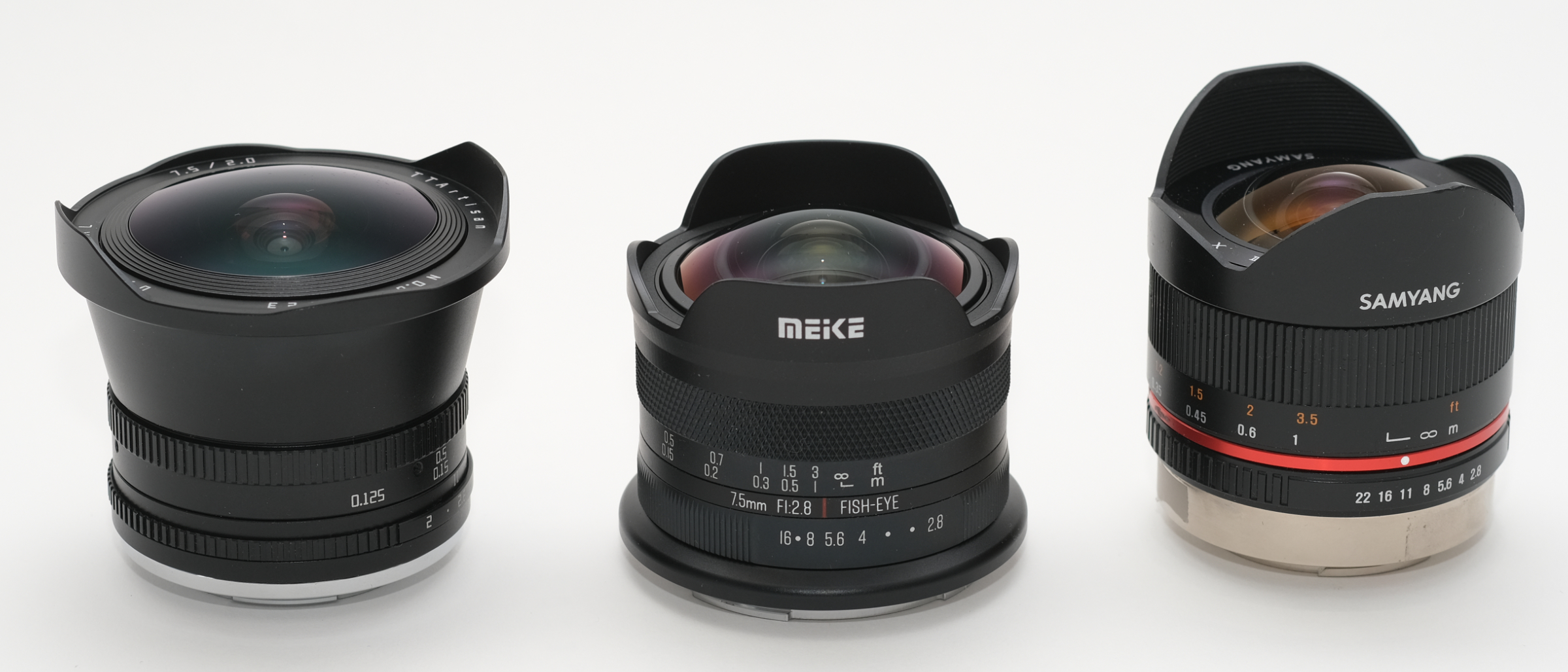
ABER zwei Merkmale fallen mir am Meike sofort auf:
1. Die Eintrittspupille liegt vor der Fassung der Frontlinse. Das Objektiv muss also nach hinten schielen, d.h. der Bildkreis muss einen Bildwinkel von deutlich über 180° aufweisen.
... Weiterlesen Ich bekomme fast jedes Kameramodell auf den Tisch. Über die Jahre wurde mir das Vermessen zur Routine: Gut 600 verschiedene Objektive und 500 verschiedene Kameras habe ich in den letzten 15 Jahren auf der optischen Bank vermessen.
Ab und zu besucht uns ein Kunde mit einer richtig teueren Kamera, um dafür ein Panoramasystem nach Maß anfertigen zu lassen. Die ALPA mit dem IQ4 Rückteil von PaseOne beeindruckte mich schon sehr.
PhaseOne hat mit der XT dieses funktionale Kamerakonzept sehr elegant gestaltet.
Wie bei der ALPA ist der "Body" nur noch ein schlanker Käfig mit Griff und den Aufnahmen für das Objektiv und das tolle IQ4 Rückteil.
Der Käfig ermöglicht die Rotation der Kamera um die optische Achse (Hoch-/...
Mitte Juli kursierten Meldungen durch die digitalen Medien, dass nach Canon nun auch Nikon die Entwicklung von Spiegelreflexkameras (DSLRs) einstellt.
Ein Schwingspiegel oder gar ein teildurchlässiger (Sony A !) im Strahlengang einer Digitalkamera, deren Sensor videotauglich mit geringer Latenz ist, ist inzwischen ein Anachronismus, von der Zeit überholte Technik.
Viel mehr gibt es dazu nicht zu sagen, denn für jeden, der sich mit der Materie einigermaßen auskennt, war diese Entwicklung absehbar.
Ich verweise dazu gerne auf meinen Blogbeitrag Ohne Spiegel auf der Überholspur von Anfang April 2018.
WeiterlesenAlle Jahre wieder ... kommt mindestens ein neues Fisheye auf den Markt.
So wurde auch der Blogeintrag Neue Fisheyes für Panoramafotografie immer länger.
Ein neues Fisheye-Zoom könnte den Markt entscheidend gestalten.
Fisheyes gelten als die "Normalobjektive" in der Panoramafotografie. So wuchs mit der Panoramafotografie auch der Markt für diese Art der Objektive. Mit dem wachsenden Angebot wurden in den letzten 10 Jahren auch immer preisgünstigere Gläser angeboten.
Die Preise für die Klassiker wie das Sigma f3,5/8mm, das Nikon f2,8/10,5mm oder das Canon f2,8/15mm lagen und liegen immer noch deutlich oberhalb 600€. Für die bekannten "0815" Fisheye Zooms von Canon und Nikon kann man gar das Doppelte ausgeben. Sie alle sind mit Autofokus und Elektronik zur Offenblendenmessung ausgestattet, kostentreibende Features, die man für Panoramaaufnahmen ohnehin besser abschaltet.
Manuell zu fokussierende Fisheyes sind da weitaus kostengünstiger.
Als erster hatte der koreanische Hersteller Samyang die Marktchancen für Fisheyes ohne Autofokus erkannt und eine Reihe von preisgünstigen Fisheyes im Bereich um 300€ auf den Markt gebracht. Gerade...
WeiterlesenNach dem Vollformat Fullframe f2,8/11mm bringt der Hersteller Mingjiang Optical („TTArtisan“) in Shenzhen, China mit dem f2,0/7,5mm Fisheye sein zweites hoch interessantes Fisheye für spiegellose Systemkameras auf den Markt und bietet damit dem beliebten Samyang f2,8/8mm aus Korea und dem ebenfalls chinesischen 7artisans f2,/7,5mm Paroli.
 Alle drei Objektive verzichten auf Autofokus und Offenblendenmessung, funktionieren also rein mechanisch. Das sind eigentlich Fullframes für spiegellose APS-/C-Kameras, also für die Fuji-X oder die Sony A6k/NEX.
Aber Mingjiang Optical hat offenbar als erster Hersteller von Fisheyes begriffen, daß solche Objektive vorwiegend für Panoramafotografie eingesetzt werden und dann auch gerne an einer Vollformatkamera. Daher wird das kleine TTArtisan gleich für die volle Bandbreite der Spiegellosen...
Im September 2020 berichtete ich hier über das 11mm TTArtisan Fisheye, das erste Fullframe Fisheye für das kurze Auflagemaß spiegelloser Vollformatkameras. Noch beim Schreiben des Beitrags hatte ich dann die Idee, dieses Fisheye zu "rasieren" *) und mit einem Leica-M-Adapter an die Fuji GFX Mittelformatkamera zu adaptieren. Der Fotograf Fabian Betto war dann wohl der erste, der diese Linse an der GFX 100S so einsetzte.
Währenddessen kontaktierte ich den Hersteller Mingjiang Optics in Shenzen und schlug vor, das Fisheye auch in einer modifizierten Form mit G-Bajonett zu liefern, damit es ohne Adaptierung optimal an der GFX verendet werden kann: Ohne Sonnenblende, dafür mit G-Bajonett und möglichst mit rastendem Blendenring ist das Objektiv geradezu ideal für den Einsatz als Panoramaobjektiv mit der Fuji GFX am KISS Nodalpunktadapter.
Mit nur 3 Aufnahmen single-row lässt sich dann ein wirklich voll sphärisches Panorama in hoher Qualität generieren.
Heute hat mich TTArtisan/Mingjiang Optics informiert...
WeiterlesenMit einem normalen single-row-Panoramasystem (z.B. KISS) nimmt man ein horizontales Panorama in einer Ebene auf. Der horizontale Bildwinkel ist dann deutlich größer, als man ihn mit einer einzigen Aufnahme im Querformat mit derselben Auflösung generieren könnte. So ist z.B. ein klassisches Landschafts-Panorama ein Bild mit einem großen horizontalen Bildwinkel und einem Aspektverhältnis von 2:1 oder größer.
Dabei ist die Kamera am Panoramasystem immer im Hochformat angeordnet. So erhält man einen größeren vertikalen Bildwinkel, während der horizontale Bildwinkel allein über die Anzahl der Aufnahmen definiert ist, die man macht – theoretisch bis hin zu 360°. Zahllose solche „Langbilder“ wurden so von Landschaftsfotografen vor allem im Alpenraum angefertigt. Viele Fotografen nutzen die single-row-Technik gerne für ein hoch auflösendes Bild aus 3 oder 4 Aufnahmen im Bereich der Landschafts- und Architekturfotografie und mit kurzen Brennweiten im Innenraum.
Andere, fasziniert von den Möglichkeiten...
WeiterlesenDen Ur-KISS Nodalpunktadapter habe ich vor 15 Jahren zunächst nur für den Eigenbedarf konstruiert. Dann fanden sich schnell Fotografen, die auch so einen einfachen Nodalpunktadapter haben wollten, darunter auch Thomas Bredenfeld.
Seit 2009 sind Panoramafotografen weit über Europas Grenzen hinaus begeistert von den kundenspezifisch "ready-to-shoot" konfigurierten KISS Panoramasystemen.
Über die Jahre haben wir zahlreiche Detailverbesserungen umgesetzt, sei es, um das Layout an neue Kameras anzupassen, noch ein paar Gramm Masse zu sparen oder das Design noch gefälliger zu gestalten.
Den KISS liefern wir für fast alle Systemkameras.
Inzwischen dominieren die Spiegellosen die Nachfrage klar. Zunächst waren das die MFT-Modelle von Lumix oder Olympus, aktuell sind es neben den Fuji-X und Sony A6k (APS-C) vor allem die Vollformatkameras (Canon R, Nikon Z und Sony A7) und zunehmend auch Mittelformat-Kameras wie die Fuji GFX 50S/R - und neuerdings die GFX 100S.
Vor gut zwei Jahren habe ich den...
Für ein voll sphärisches Panorama mit 360°x180° gibt es heute diverse Hardware-Ausführungen. Noch vor 15 Jahren kam dafür nur ein komplexes multi-row Panoramasystem in Frage. Nur so war es möglich, ein voll sphärisches Panorama mit einem Weitwinkelobjektiv aufzunehmen, wenn es eine akzeptable Auflösung von 10...15 Pixeln pro Grad (Px/°) haben sollte. Über die Jahre hat sich aber viel verändert, ist vieles einfacher und auch kostengünstiger geworden. Insbesondere aber ist die Sensorauflösung aktueller Kameras deutlich höher. Das erlaubt uns heute, mit einem Fisheye-Objektiv und wenigen Aufnahmen in single-row-Technik volle Sphären mit einer hohen nativen Auflösung von 30...60 Px/° zu generieren.
Tatsächlich gibt es Dank der hohen Sensorauflösung und der Verfügbarkeit von preisgünstigen Fisheye-Objektiven heute keine Notwendigkeit mehr für die Verwendung eines multi-row Panoramasystems. Lediglich Gigapixel-Panoramen verlangen zwangsläufig die multi-row-Technik. Aber die würde ich grundsätzlich nur mit einem automatischen, motorisierten Positioniersystem aufnehmen. Denn die Aufnahmetechnik mit einem konventionellen, manuellen multi-row-Panoramasystem ist dafür viel zu fehleranfällig. Das gilt ausnahmslos.
...
WeiterlesenEin Fisheye-Objektiv ist das Normalobjektiv der Panoramafotografen.
Ich habe in den vergangenen Jahren wiederholt diesen Fakt aus unterschiedlichen Perspektiven erläutert und begründet. In einem Satz zusammengefasst klingt das so:
„Fisheye-Objektive bilden einen sehr großen Bildwinkel ab ohne den Bildinhalt stark zu dehnen und nutzen so die Sensorfläche wesentlich effizienter aus als rectilineare Weitwinkelobjektive gleicher Brennweite.“
Am weitesten verbreitet sind in diesem Zusammenhang Fullframe Fisheyes, deren 180°-Bildkreisdurchmesser gerade der Sensordiagonalen entspricht.
Die Brennweite eines klassischen Fullframe Fisheyes beträgt dann knapp ein Drittel der Sensor-Diagonale, also 15mm für’s Vollformat, 10mm für’s APS-C und 8mm am MFT-Format. Die typischen Vertreter dieser klassischen Fisheyes sind das f2,8/15mm von Canon, das f2,8/10mm von Sigma und das Lumix...
 Meine Beschreibung des Panorama-Setups für die Fuji GFX50 hat einige Fotografen überzeugt und motiviert, diese Mittelformatkamera am KISS Panoramasystem einzusetzen - sogar mit dem Samyang Fisheye-Objektiv.
Jetzt wurde das GFX-Setup noch getoppt: Heute habe ich das erste Panoramasystem für eine ALPA STC mit dem Rodenstock HR 40mm und dem IQ4-Rückteil von Phase One konfiguriert.
Diese Combo zum Preis eines richtig gut ausgestatteten 5er BMW's topt alles, für was ich bisher ein ready-to-shoot Panoramasystem anpassen durfte.
...
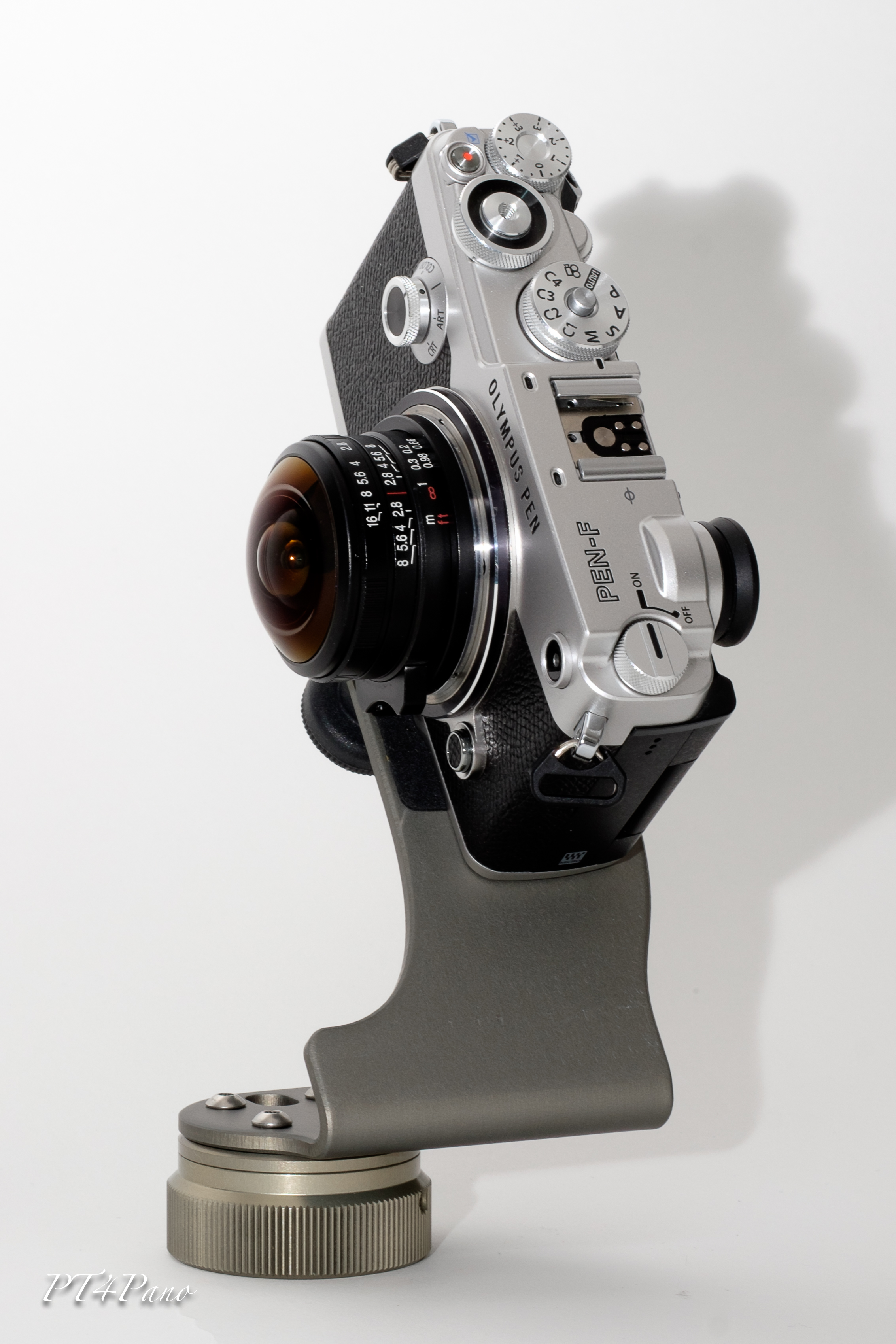 Gestern hat mir unser Kunde Klaus B. seine Olympus PEN-F mit dem f2,8/4mm LAOWA Fisheye mit der Bitte zugeschickt, dafür ein Panoramasystem zu konfigurieren. Für diese relativ neue Linse hatten wir noch keine Daten in unserer Datenbank.
Das wirklich sehr kleine Fisheye wird als zirkulares Fisheye für die MFT-Kameras angeboten und soll einen Bildwinkel von 210° bringen.
Auf der optischen Bank zeigte sich gleich eine ungewöhnliche Eigenschaft des kleinen Fisheyes: Es weist praktisch keinen winkelabhängigen Nodalpunktgang auf und bringt von daher beste Voraussetzungen als Panoramaobjektiv mit.
Ein kleines SLANT Setup schien mir optimal für die Kombi mit der PEN-F. Es war schnell konfiguriert und musste gleich für ein Test-Pano mit 4 Aufnahmen im Büro herhalten. PTGUI ermittelte für das kleine Fisheye folgende Linsenparameter:
- ...
Die Sensorauflösung der Systemkameras hat über die Jahre deutlich zugenommen. Mit back illuminated Sensoren (Sony ExmorR) oder aufwendigen Techniken zur Lichtführung in jedem Pixel (Panasonic) schaffen es die Hersteller, dass die aus der Verkleinerung der Pixelfläche resultierende Auflösungssteigerung nicht nur zu Lasten der Dynamik geht. Daher haben aktuelle high-end Vollformat-Sensoren über 40M Pixel mit über 13 Blendenstufen Dynamikumfang.
Ich gehe davon aus, dass die nächste Auflösungsstufe im Vollformat mit 60MP in ExmorR-Technologie (IMX455) noch dieses Jahr auf den Markt kommt - bei 14 Blendenstufen Dynamikumfang (3,76μm Pixel wie bei IMX411, IMX461 und IMX571. Der IMX571 APS/C-Sensor kommt z.B. in der Fuji X-T3 zum Einsatz).
Für die Panoramafotografie bedeutet die hohe Sensorauflösung, dass man mit einem Fisheye voll sphärische Panoramen in single row-Technik mit der gleichen hohen Auflösung aufnehmen kann, für die vor wenigen Jahren noch ein multi-row-System und ein 20mm…35mm Weitwinkelobjektiv erforderlich gewesen wäre.
Und während mit einem 24mm...
WeiterlesenAuch perfekt gestitchte Panoramen brauchen zur Perfektionierung eine Nachbearbeitung in einer Bildbearbeitungs-Software. Für globale Kontrast- und Tonwertanpassungen reicht da Lightroom oder ein beliebiges Bildbearbeitungsprogramm völlig aus. Für diese Bearbeitung ist es auch egal, in welcher flachen Projektion das Panorama vorliegt, also ob es sich um ein Flächen-, Zylinder- oder Kugelpanorama in equirectangularer Projektion ("Equi") handelt.
Sollen aber in einem voll sphärischen Panorama Bereiche retuschiert und/oder ein Nadir-Patch vorgenommen werden, ist das aufwendiger. Früher hat man dazu das Equi in eine Würfelprojektion überführt und dann die zu bearbeitende Würfelfläche extrahiert. Das flache Teilbild, z.B. die südliche Würfelfläche, ließ sich dann in Photoshop bearbeiten, nach der Bearbeitung wieder in die Würfelprojektion einbauen ("Patch") und diese dann wieder in ein Equi reprojizieren.
Wesentlich eleganter geht das inzwischen mit der Live-Editing-Funktion von Affinity Photo. Hier will ich auf diese Möglichkeit mit Affinity Photo hinweisen. Einfacher und schneller kann man sein gestitchtes Panorama nicht...
WeiterlesenSeiten
- 1
- 2
- 3
- 4
- 5
- 6
- 7
- 8
- nächste Seite ›
- letzte Seite »


